reason # 1
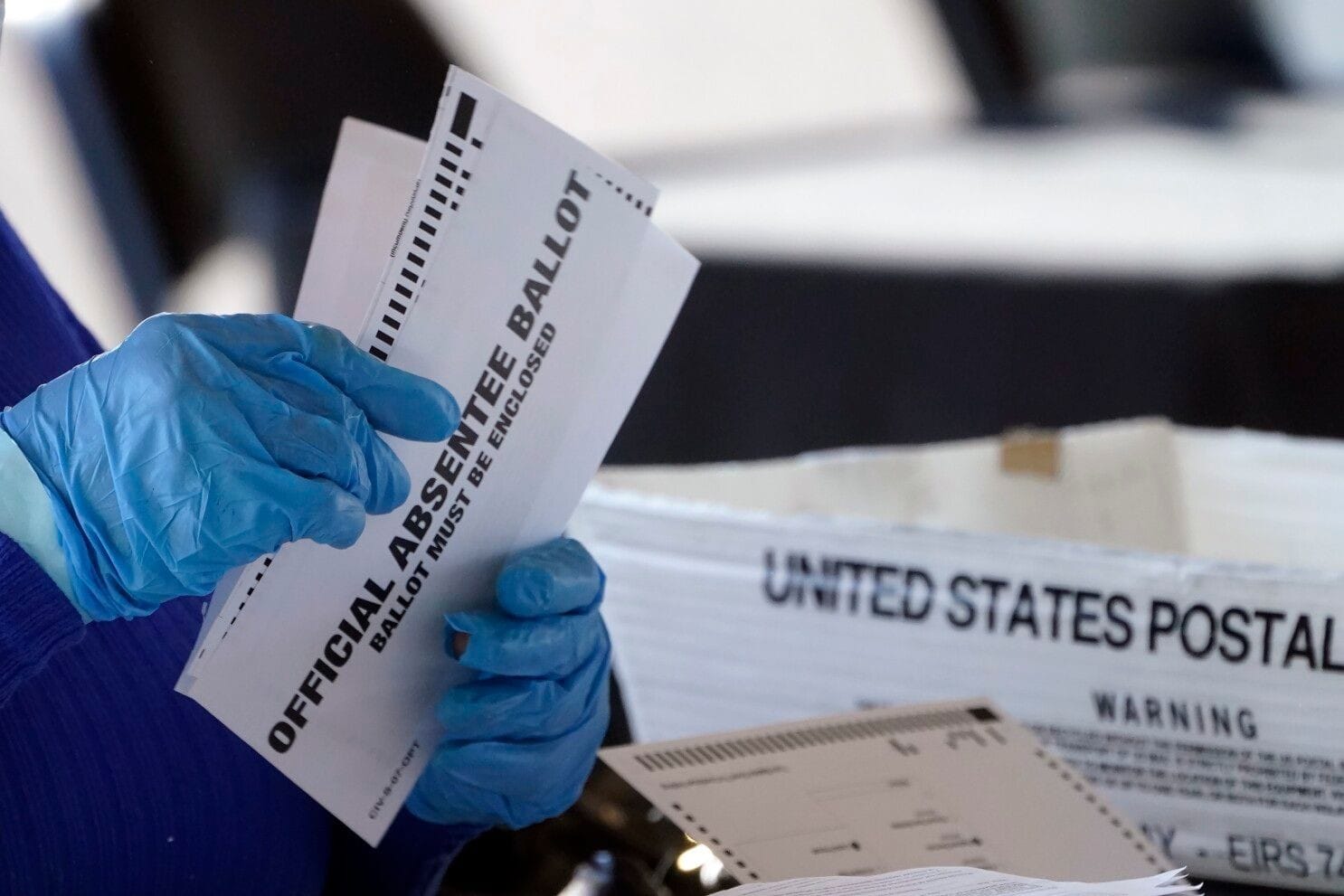
Many elections are decided by a small number of votes — more frequently than you imagine..jpg)
REASON # 2
One reason why elections are often so close is because too many of us don’t actually vote.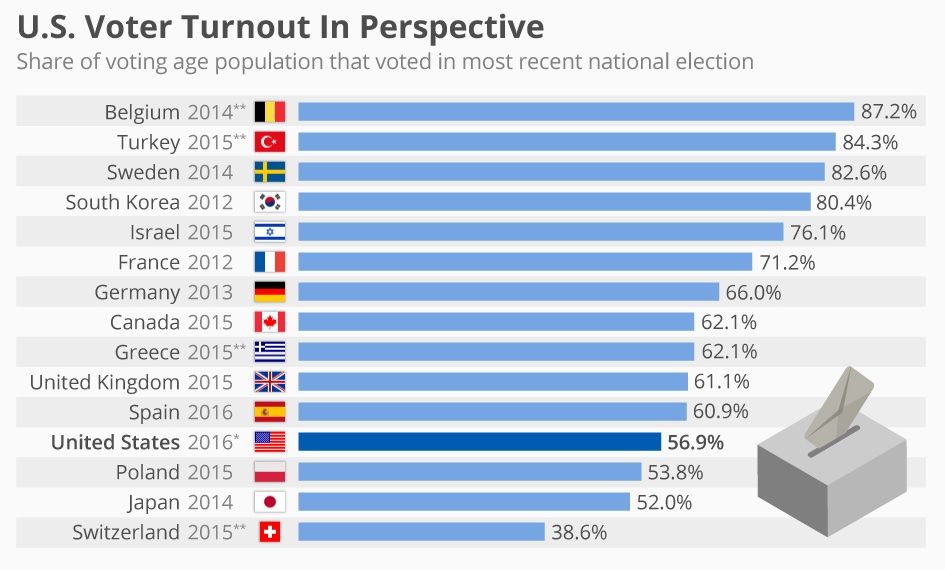
Reason # 3
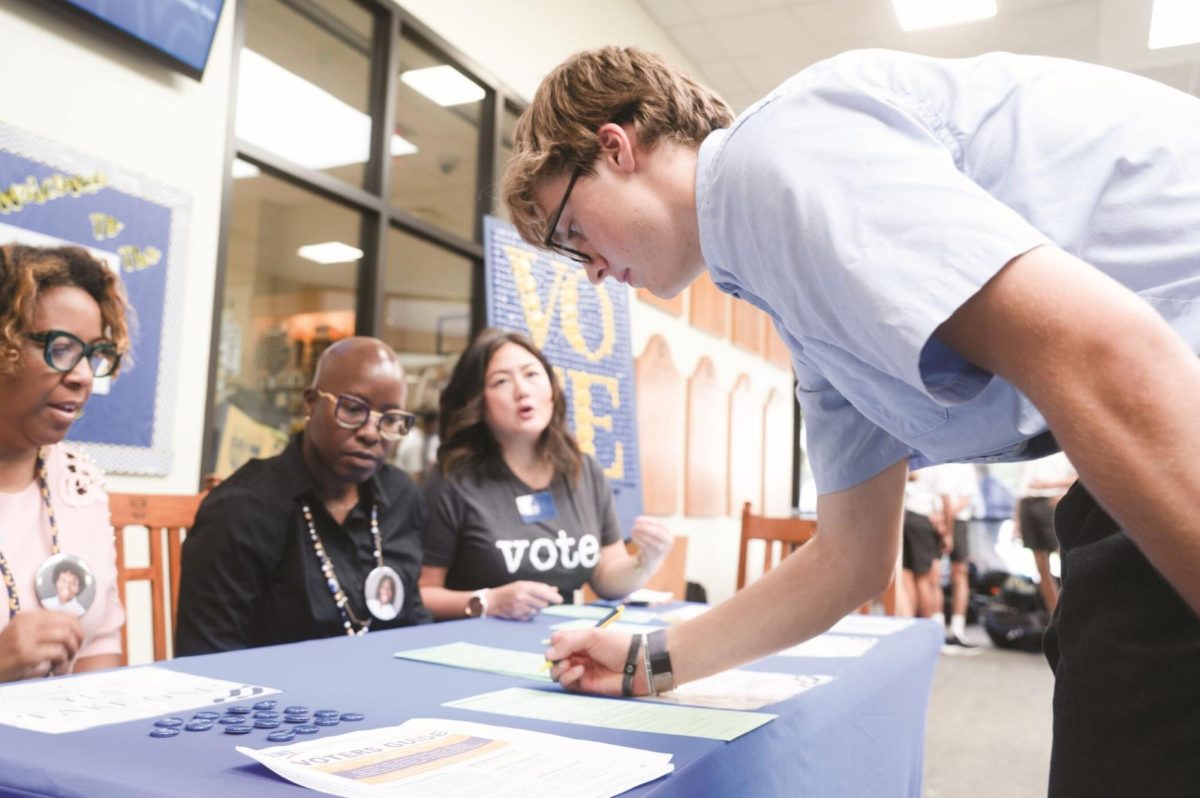 Even those whose lives and futures are most at risk don’t show up at the polls in representative numbers. For instance, of all Americans, young people vote the least. In fact, the U.S. has one of the lowest rates of youth voter turnout in the world. Before the 2022 election, 40% of Gen Z voters said they were going to vote. The actual turnout nationally was 23%.
REASON # 4
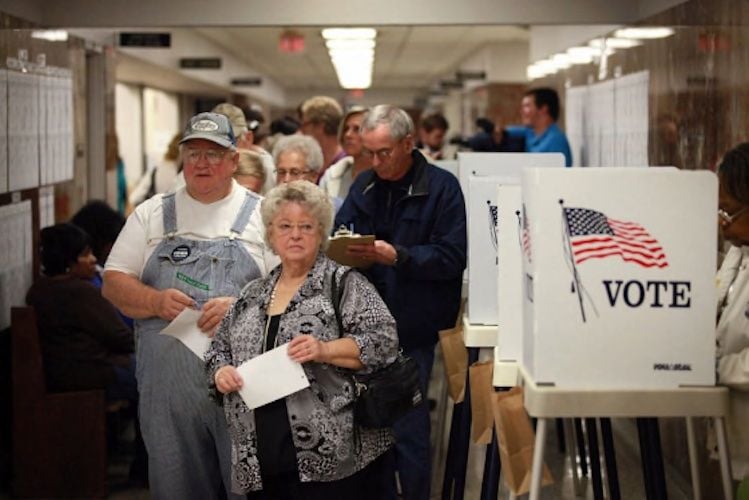 On the other hand, older, more conservative voters turn out in huge numbers, and rank #1 in turnout — 76% of them came out to vote in 2020. Polls show that it’s these turnout rates, disproportionate to the voting rates of other groups, that elect lawmakers who won’t vote for gun safety, access to health care, protection of the environment, fair treatment and respect for everyone’s rights, especially reproductive rights.
REASON # 5
 Even if the candidate you hope will win is elected, it’s possible that if enough young voters don’t get out to vote where it really counts, she won’t have the majorities she needs in the Senate and the House to pass her agenda.
Reason # 6
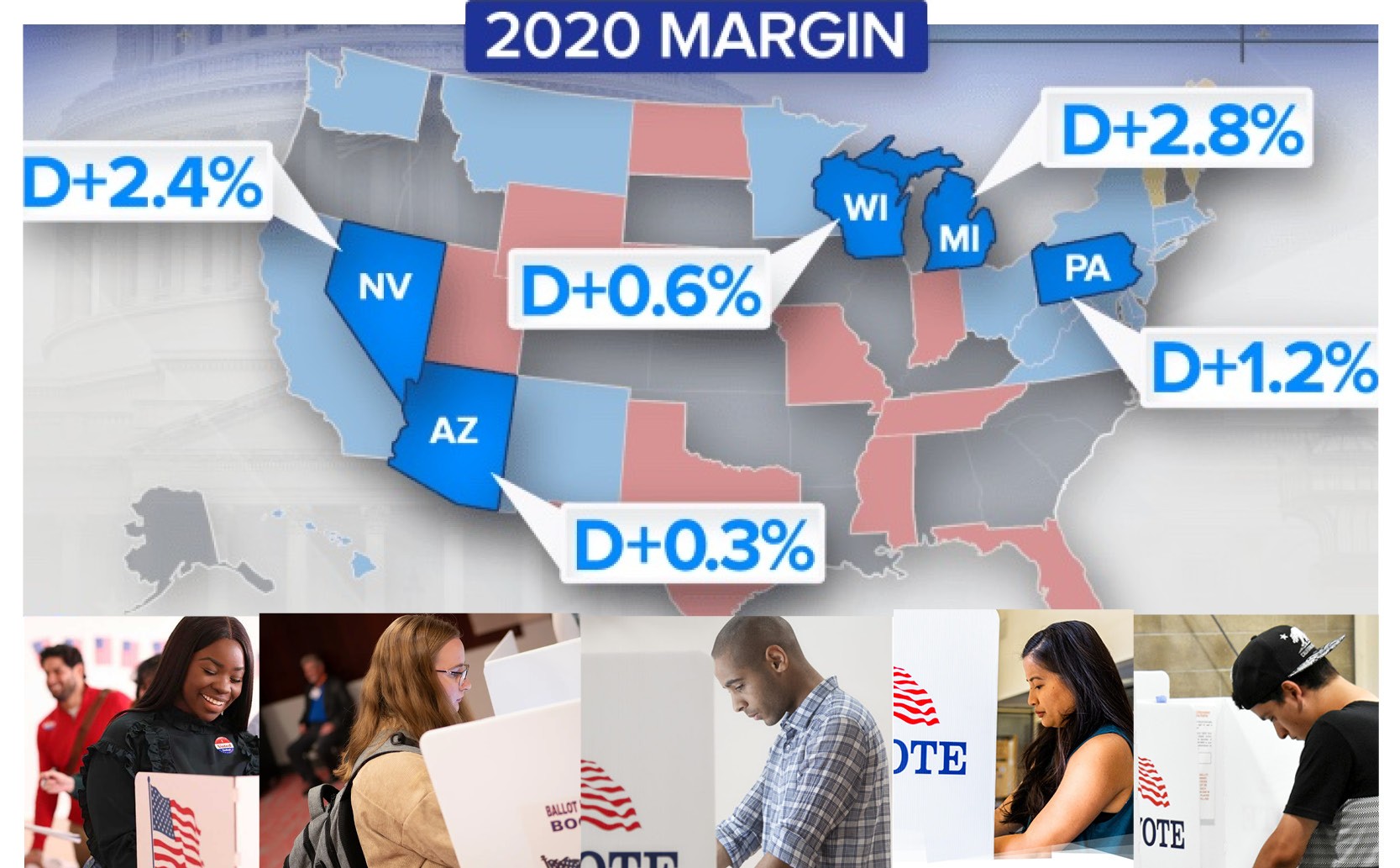 Where does it count? Results in previous elections show how a small increase in voter turnout in just a few states can mean the difference between more deadlock or real change. In states like these, boosting the turnout among young people by just a few percentage points could make all the difference.
Reason # 7
 There are at least 345 million reasons to vote, but if you’re having trouble thinking of even one, then think of all those who won’t or can’t vote in this election, but whose lives depend on what happens on November 5th. And then decide to go out and vote — because you can.
so do the right thing.
.jpg) Now that you’ve decided to do the right thing yourself, there’s one more thing you can do to make a difference: take a few minutes to drop a line to five friends — just five friends — and share these seven reasons to vote. And encourage them to share these seven reasons with just five of their friends. Because it’s the right thing to do.
Now that you’ve decided to do the right thing yourself, there’s one more thing you can do to make a difference: take a few minutes to drop a line to five friends — just five friends — and share these seven reasons to vote. And encourage them to share these seven reasons with just five of their friends. Because it’s the right thing to do.
.jpg)
.jpg)
.png)
three things to pass along
IT’S GOING TO BE A CLOSE CALL!
Election day is just days away.
But you can be sure of two things right now:
# 1
The results on November
5th will probably be as close
as close can be.
Maybe not that close in
the state or town
where you happen to live.
But on the national level,
where it counts,
election night will likely be
a nail-biter.
# 2
Whatever the outcome,
you can be absolutely
sure that the results of
what happens on November
5th will make a huge difference
in everyone’s lives.
And it’s all up to who manages
to show up to vote
— for better for for worse.